

Artificial intelligence has quickly become the dominant narrative in global financial markets. From earnings calls to investor presentations, AI is now central to how companies communicate future growth.
But despite the hype, AI is not transforming markets overnight in the dramatic way headlines suggest. The real impact is more subtle — and far more structural.
As a finance professional observing capital markets, I believe AI is reshaping how money flows, how companies invest, and how future growth is priced — not by replacing traders with machines, but by driving one of the largest investment cycles in decades.
Massive Investment — Not Smarter Stock Picking
The most immediate impact of AI is unprecedented capital spending.
Major corporations, particularly in technology, are investing heavily in:
- Data centers
- Specialized AI chips
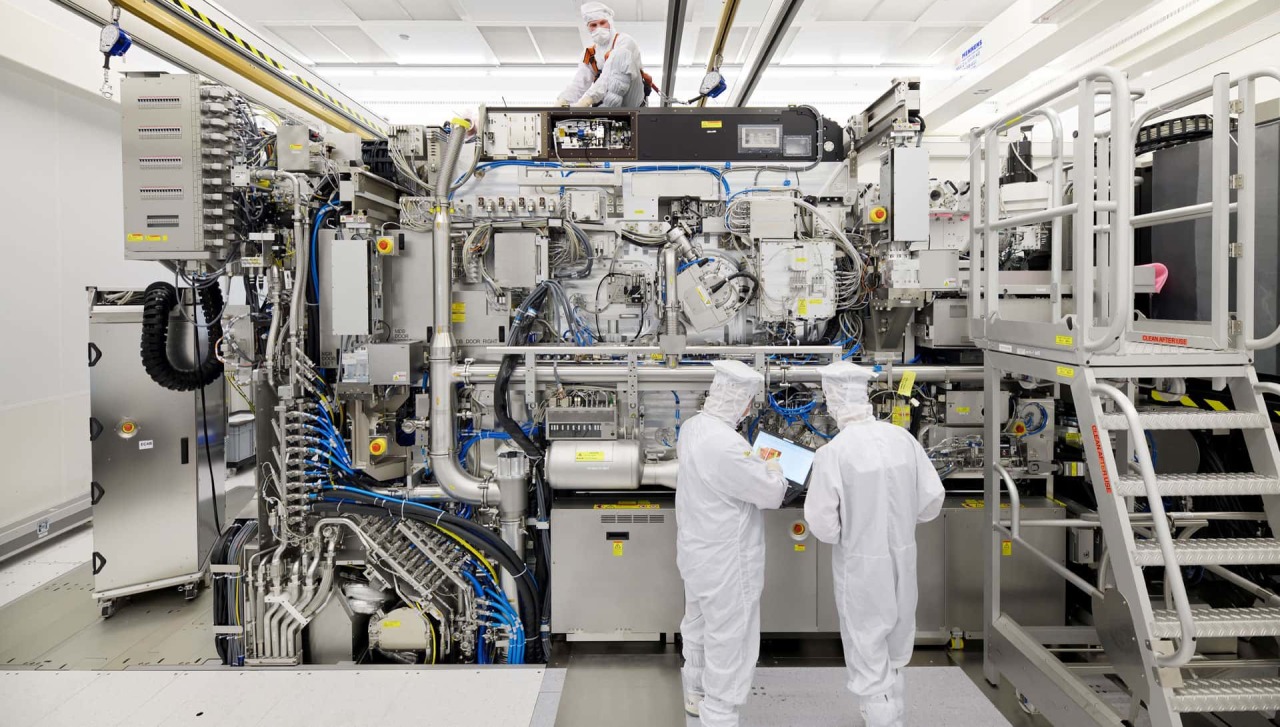
- Cloud computing infrastructure
- High-capacity networking
- Power and cooling systems
This surge in spending has created clear winners, especially in semiconductors, industrial suppliers, and utilities. Companies building the infrastructure behind AI are benefiting far more than those merely adopting it.
In many ways, today’s AI boom resembles past technological revolutions where the early profits went to those selling the tools, not necessarily the end users.
Productivity Gains Will Take Years
History shows that transformative technologies rarely produce immediate economic benefits.
Electricity, personal computers, and the internet all required years of investment before delivering measurable productivity gains. AI appears to be following a similar path.
Businesses are still experimenting, retraining staff, and redesigning workflows. In the short term, these adjustments can even reduce efficiency before improvements materialize.
Investors expecting instant profit expansion may need to take a longer view.
Markets Are Pricing Expectations — Not Reality
Financial markets are forward-looking. Prices reflect anticipated outcomes rather than current performance.
Many companies associated with AI now trade at premium valuations based on expected future earnings. Yet for many firms:
- AI-driven revenue remains limited
- Profit margins have not materially changed
- Commercial applications are still evolving
This gap between expectations and reality creates both opportunity and risk. If projected gains take longer than anticipated, valuations could adjust even if long-term prospects remain strong.
AI in Trading: Evolution, Not Revolution
Automated trading has existed for decades. High-frequency trading firms already use sophisticated algorithms to process market data at speeds beyond human capability.
AI enhances these systems but does not fundamentally change the competitive landscape:
- Markets remain highly efficient
- Advantages are quickly replicated
- Regulation limits excessive automation risks
For most investors, AI will not provide a simple shortcut to outperforming the market. Instead, it raises the overall level of sophistication across participants.
Increasing Market Concentration
One of the most significant effects of the AI boom is growing market concentration.
A small number of large firms dominate key areas of the AI ecosystem, including cloud computing, advanced semiconductor production, and data infrastructure.
As capital flows toward these leaders, major stock indices become increasingly dependent on their performance. This concentration can amplify market volatility and make indices more sensitive to developments affecting a handful of companies.
The Energy Factor Few Are Discussing
AI systems require enormous amounts of electricity. Training large models and operating data centers consume power on a scale comparable to entire cities.
This demand is driving growth in:
- Utilities and energy producers
- Electrical grid upgrades
- Construction and industrial services
- Energy commodities
In some cases, the biggest beneficiaries of the AI boom may not be software companies, but the industries that supply the physical infrastructure powering it.
Final Thoughts from Rayan Malak
AI may feel unprecedented, but its market impact follows a familiar pattern seen in previous technological revolutions:
- Initial excitement and high expectations
- Heavy capital investment
- Narrow early winners
- Gradual productivity gains
- Broad long-term adoption
Rather than transforming markets overnight, AI is reshaping them through long-term structural changes in investment, business strategy, and economic expectations.
For investors and market observers, the key takeaway is simple:
AI is not just a technology story — it is a capital allocation story.
And capital allocation stories unfold over years, not quarters.
follow me at Medium.com/@rayanmalak for more information!
 Welcome to Rayan Malak's blog on random topics
Leave a comment